Aegean Cuisine: The Mediterranean’s Brightest Jewel

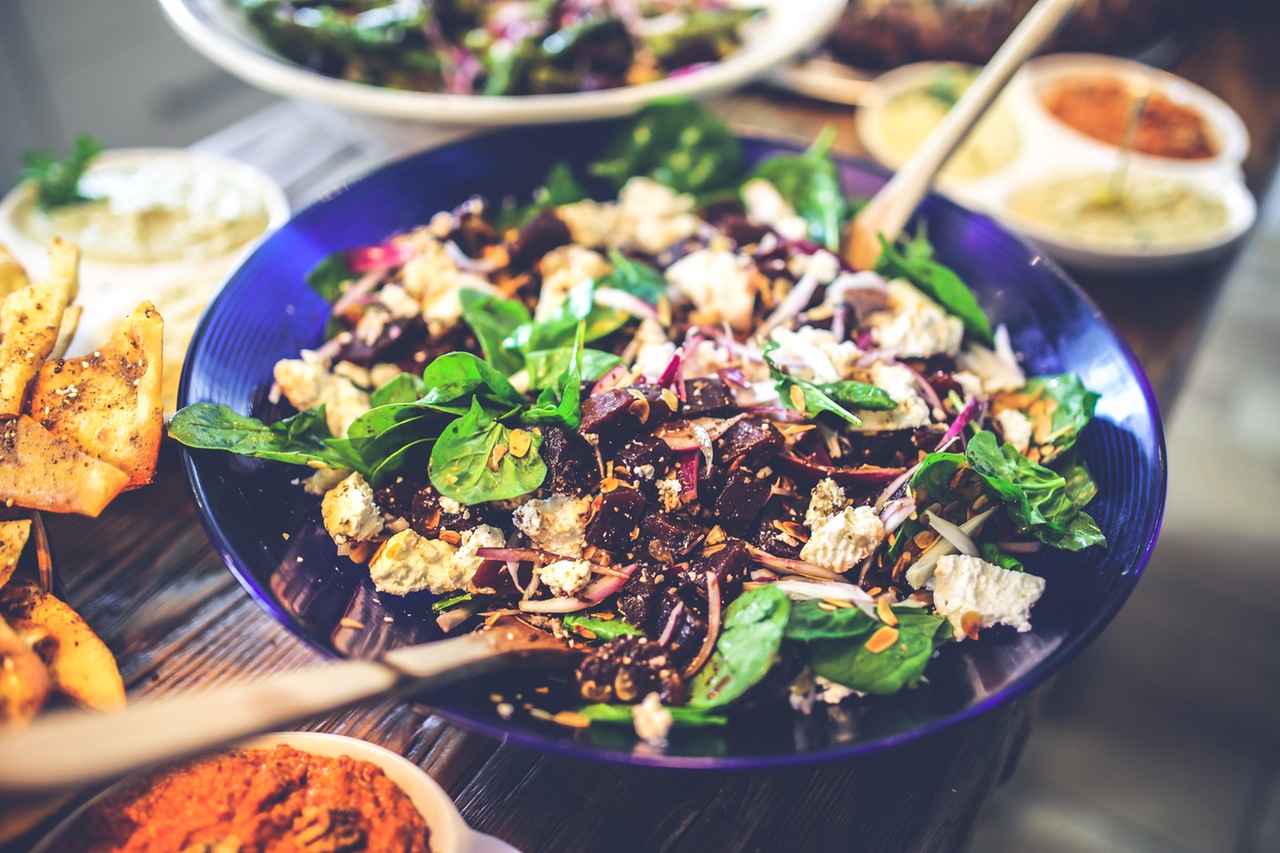
Nestled between the sapphire waters of the Aegean Sea and the sun-drenched islands of Greece and Turkey, Aegean Cuisine represents one of the most authentic and healthful culinary traditions in the Mediterranean world. This ancient gastronomy, shaped by centuries of maritime trade, diverse cultural influences, and a deep respect for seasonal ingredients, offers a dining experience that transcends mere sustenance—it is a celebration of life, community, and the bounty of land and sea. From the fishing villages of Crete to the olive groves of the Dodecanese, Aegean Cuisine tells the story of a region where food is not just nourishment, but a sacred connection to history, tradition, and the natural world.
Introduction
Aegean Cuisine encompasses the culinary traditions of the islands and coastal regions surrounding the Aegean Sea, primarily including the Greek islands (Cyclades, Dodecanese, Sporades) and the western coast of Turkey. This cuisine reflects a remarkable harmony between geography and gastronomy—where crystalline seas provide abundant seafood, volcanic soils yield distinctive vegetables, and ancient olive groves produce some of the world’s finest oils.
Historically, the Aegean region has been a crossroads of civilizations. The Minoans, Ancient Greeks, Byzantines, Venetians, and Ottomans all left their culinary fingerprints on this rich tapestry of flavors. Yet despite these varied influences, Aegean Cuisine maintains a distinctive character defined by simplicity, freshness, and an almost reverent approach to ingredients. The cultural significance of food in the Aegean goes beyond mere eating—shared meals are ceremonies of connection, where generations gather to honor both tradition and each other.
Key Ingredients
The foundation of Aegean Cuisine rests upon several essential ingredients that define its character and nutritional excellence:
Olive Oil: Often called “liquid gold,” extra virgin olive oil from ancient Aegean groves is the cornerstone of virtually every dish. Rich in monounsaturated fats and antioxidants, it serves as both cooking medium and flavor enhancer.
Seafood: The Aegean’s pristine waters provide an extraordinary variety—octopus, sea bream, red mullet, sardines, anchovies, and squid feature prominently in the daily diet. Fresh catch is often simply grilled or baked with minimal seasoning to honor its natural flavors.
Fresh Herbs: Wild oregano, thyme, rosemary, dill, mint, and parsley grow abundantly on hillsides and in gardens, infusing dishes with aromatic complexity and medicinal properties.
Vegetables: Sun-ripened tomatoes, tender zucchini, creamy eggplants, artichokes, capers, and wild greens (horta) form the vegetable backbone. Many vegetables are stuffed, stewed, or prepared in olive oil-based dishes called “ladera.”
Legumes and Grains: Fava beans, lentils, chickpeas, and barley have sustained Aegean communities for millennia, providing protein and fiber in satisfying, humble preparations.
Dairy: Local cheeses like creamy feta, sharp mizithra, and aromatic graviera, along with thick Greek yogurt, add richness and tang to countless dishes.
Typical Dishes
The Aegean table showcases dishes that exemplify the region’s philosophy of simple preparation and stellar ingredients:
- Stuffed Vine Leaves (Dolmades): Tender grape leaves wrapped around aromatic rice, pine nuts, and fresh herbs, these delicate parcels represent the Aegean’s talent for transforming humble ingredients into something extraordinary. Rich in vitamins from the grape leaves and offering plant-based satisfaction, dolmades are both delicious and nutritious.
- Fava: Despite its name, this isn’t made from fava beans but from yellow split peas, creating a silky, golden purée topped with caramelized onions, capers, and olive oil. A protein-rich staple from Santorini, fava demonstrates how simple legumes become sublime through careful preparation.
- Grilled Octopus: Tenderized through patient preparation and charred to perfection over an open flame, octopus served with olive oil, lemon, and oregano is the quintessential Aegean seafood dish. High in protein, low in fat, and rich in omega-3 fatty acids, it’s as healthful as it is memorable.
- Boureki: This Cretan specialty layers thin slices of zucchini, potatoes, and mizithra cheese in a delicate phyllo crust. Baked until golden, it showcases the Aegean love for vegetable-forward dishes that still feel indulgent and satisfying.
- Aegean Fish Stew (Kakavia): Considered the ancestor of French bouillabaisse, this fisherman’s stew combines the day’s catch with tomatoes, onions, potatoes, and aromatic herbs in a soul-warming broth. It represents the Aegean philosophy of letting fresh ingredients shine with minimal interference.
Unique Aspects & Health Benefits
What Makes Aegean Cuisine Special:
Aegean Cuisine distinguishes itself through several unique characteristics that set it apart from other Mediterranean traditions:
Emphasis on Freshness: The Aegean approach demands ingredients at their seasonal peak. Tomatoes are eaten in summer when bursting with flavor, wild greens are foraged in spring, and fish is consumed within hours of being caught.
Simplicity as Philosophy: Rather than complex sauces or elaborate techniques, Aegean cooks rely on quality ingredients prepared simply. Grilling, baking, and slow-cooking in olive oil predominate, allowing natural flavors to emerge.
Foraging Tradition: The practice of gathering wild foods—from sea urchins to mountain herbs to snails—maintains a direct connection to the landscape that has largely disappeared from modern cuisines.
Seasonal Rhythms: The cuisine follows ancient patterns of feasting and fasting, abundance and restraint, that keep eating aligned with natural cycles and religious traditions.
Health Benefits – The Mediterranean Diet Advantage:
Scientific research has extensively validated what Aegean communities have known intuitively for centuries—this way of eating promotes exceptional health and longevity:
Cardiovascular Protection: The high consumption of olive oil, omega-3-rich fish, and plant-based foods significantly reduces heart disease risk. Studies show Mediterranean diet adherents have up to 30% lower risk of cardiovascular events.
Anti-Inflammatory Properties: The abundance of antioxidants from olive oil, vegetables, herbs, and fish helps combat chronic inflammation, the root cause of many modern diseases.
Weight Management: Despite being flavorful and satisfying, Aegean Cuisine naturally supports healthy weight due to its emphasis on whole foods, vegetables, and moderate portions.
Cognitive Health: Research indicates that Mediterranean dietary patterns, including those from the Aegean, may reduce dementia risk and support brain health into old age.
Longevity: The Greek island of Ikaria, part of the Aegean region, is recognized as one of the world’s “Blue Zones” where people regularly live past 90 in good health—a testament to this cuisine’s life-extending properties.
Blood Sugar Control: The combination of fiber-rich legumes, vegetables, and whole grains with minimal processed foods helps maintain stable blood sugar levels.
The Aegean approach to eating offers more than just recipes—it provides a complete philosophy of nourishment that honors tradition, celebrates community, respects the environment, and promotes vibrant health. In a world of processed convenience foods, Aegean Cuisine reminds us that the most satisfying and healthful way to eat may also be the most ancient.
AegeanCuisine #MediterraneanDiet #HealthyEating #FoodCulture #GreekFood #TurkishCuisine #MediterraneanFood #OliveOil #Seafood #FreshIngredients #TraditionalCooking #BlueZones #HeartHealthy #HealthyLifestyle